Alex Crease
Engineer • Designer • Educator
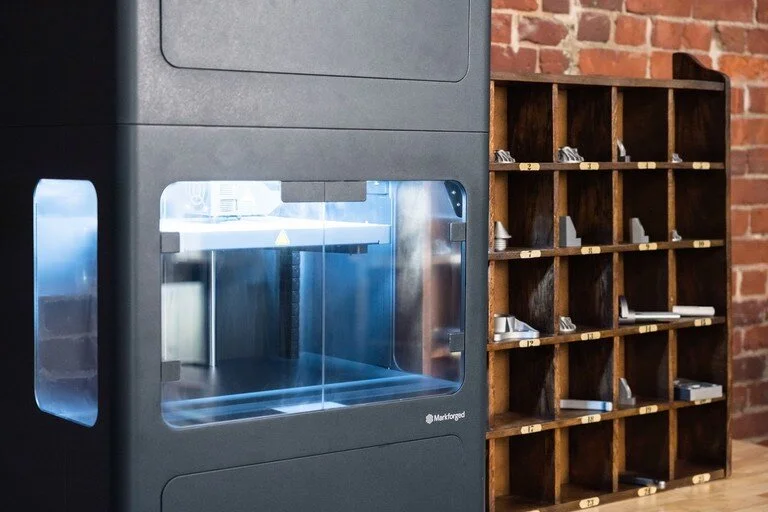
Testing & Teaching Applications of Industrial 3D Printing
Markforged has two unique industrial-strength 3D printing methods: one that prints in continuous strands of carbon fibers, and another that 3D prints in metals ranging from stainless steel to titanium. As one of three Applications Engineers on the Product Marketing team, I applied my background in Design for Manufacturing (DfM) to show customers how they could optimize their parts for our process.
I collaborated across the company to test applications, design new features, and build educational resources to maximize our customers’ understanding of our products.
The Challenge
Show prospective customers and existing clients how to achieve efficient Return on Investment (ROI) by applying Markforged industrial solutions to their challenging manufacturing problems.
The Solution
A library of resources and workshops teaching the unique advantages of industrial additive manufacturing, coupled with new product features to support specific customer needs.
Technology Overview
Here are two overview videos I directed to show the unique benefits of the two Markforged 3D printing processes:
Continuous Carbon Fiber 3D Printing:
Deposition-Based Metal 3D Printing:
My Process
I took a systematic approach to validating and synthesizing information about each application I studied:
Phase 1: Research
Research existing manufacturing methods by speaking to customers, assessing the pain points and value of each process, and studying DfM (Design for Manufacturing) strategies.
After identifying that metal 3D printed parts could replace one-off cast aluminum parts with less overhead work, I talked with machining experts about how they machined specific features on cast parts to hit high tolerances.
Phase 2: Testing
Evaluate the feasibility of Markforged 3D printed parts in those applications by understanding the relevant design considerations and testing printed parts in the applications.
When machining printed parts reflective of typical cast parts, I found the walls in our printed parts were too thin to accommodate typical machining offsets.
Phase 3: New Feature Development
Provide feature requirements for the Product and Engineering teams to expand the breadth of applications Markforged products can cover.
I worked with the Product team to release a “machinability” feature that expanded the walls of printed parts if customers intended to machine them.
Phase 4: Customer Education
Educate customers and internal teams by synthesizing results into guides, demos, and other content to increase lead conversion and drive customer success.
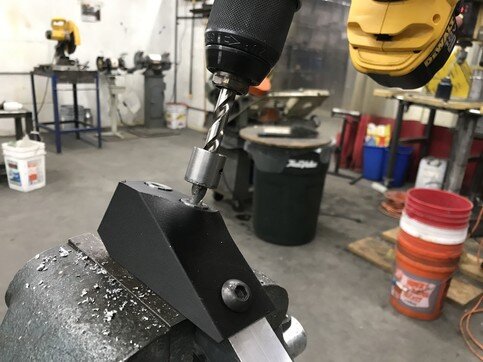
I gave webinars on machining metal 3D printed parts, and synthesized what I learned into design guides for customers. For example, I showed customers with both printers how to create composite soft jaws that could hold their metal printed parts during machining.
Applications Validation
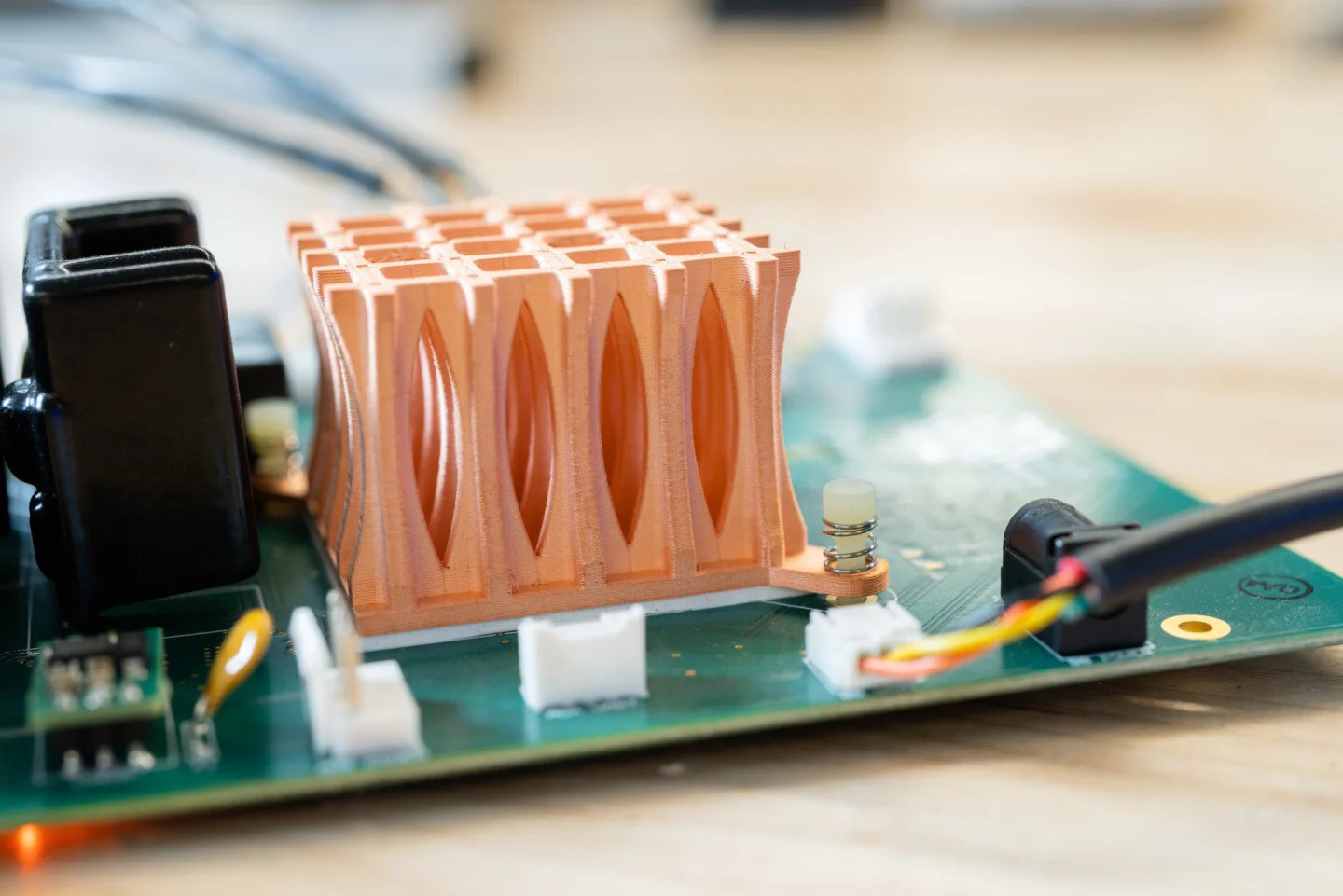
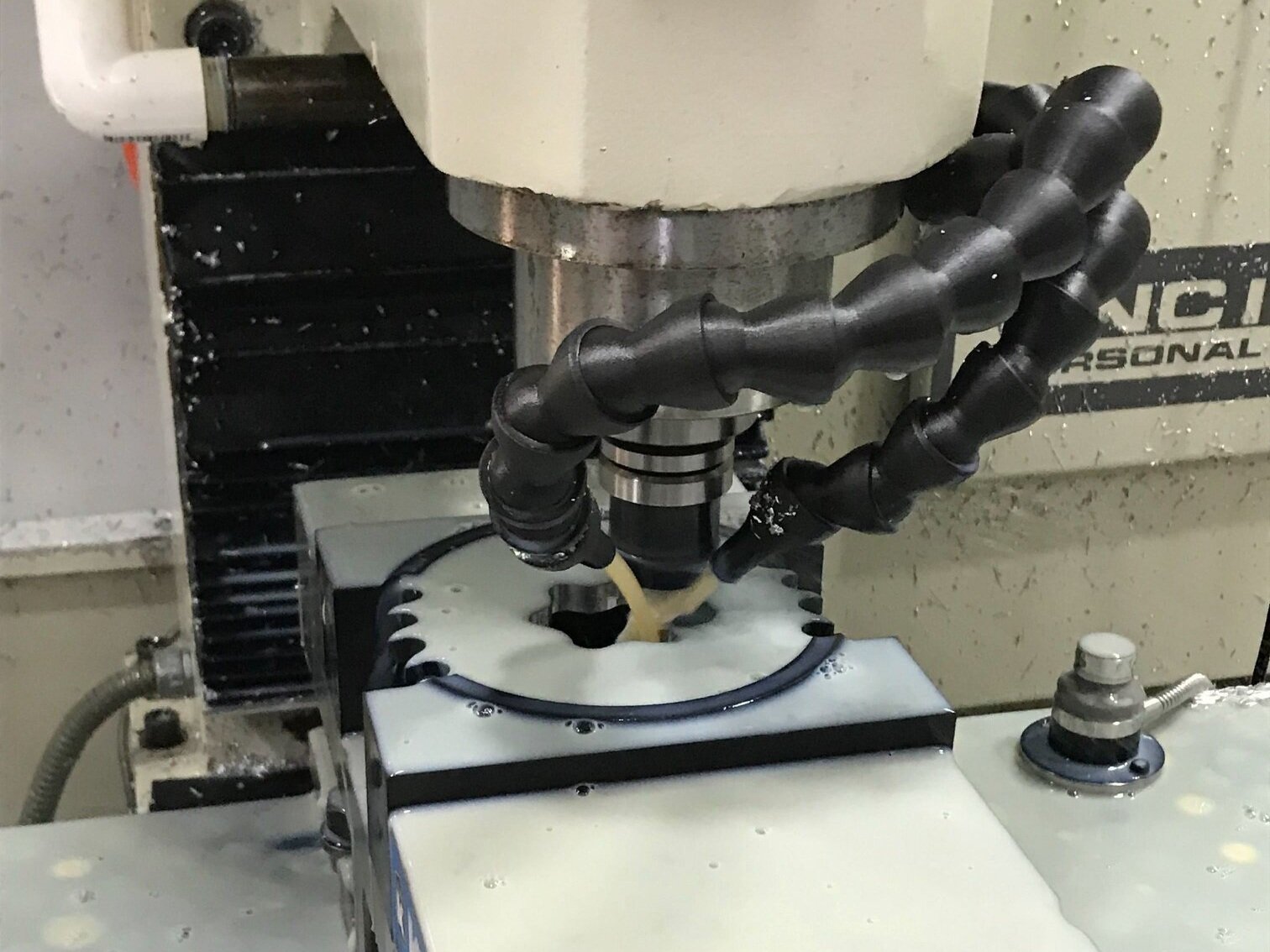
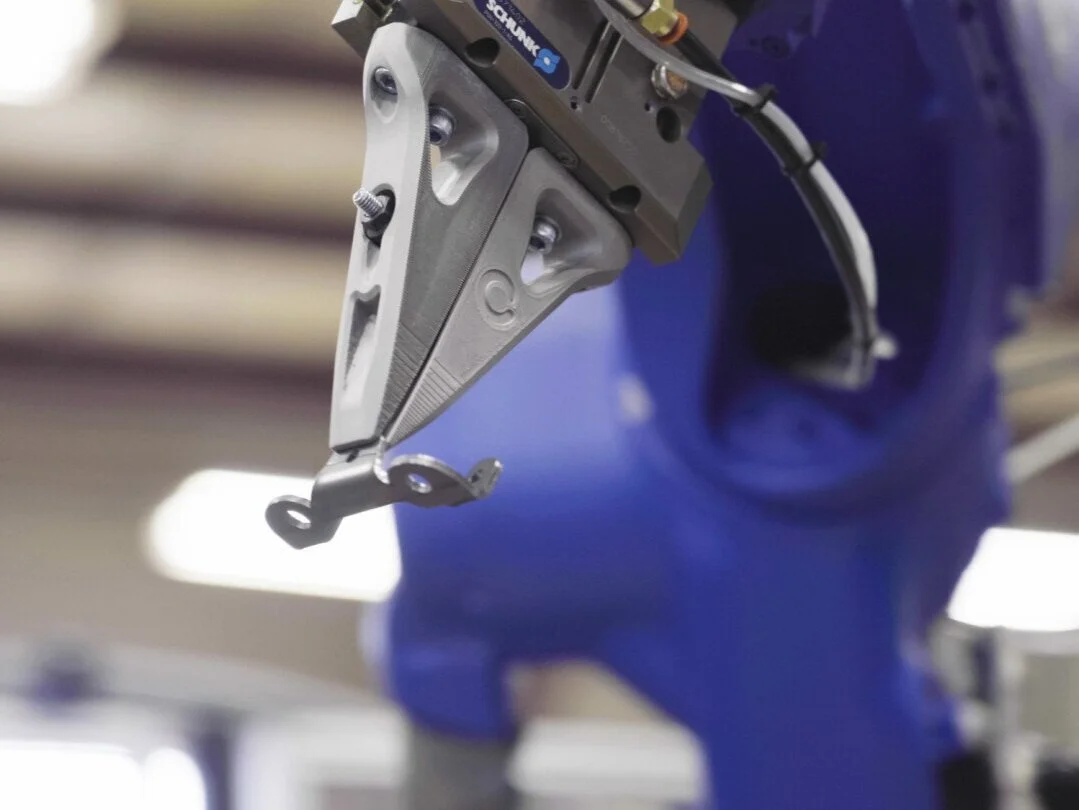
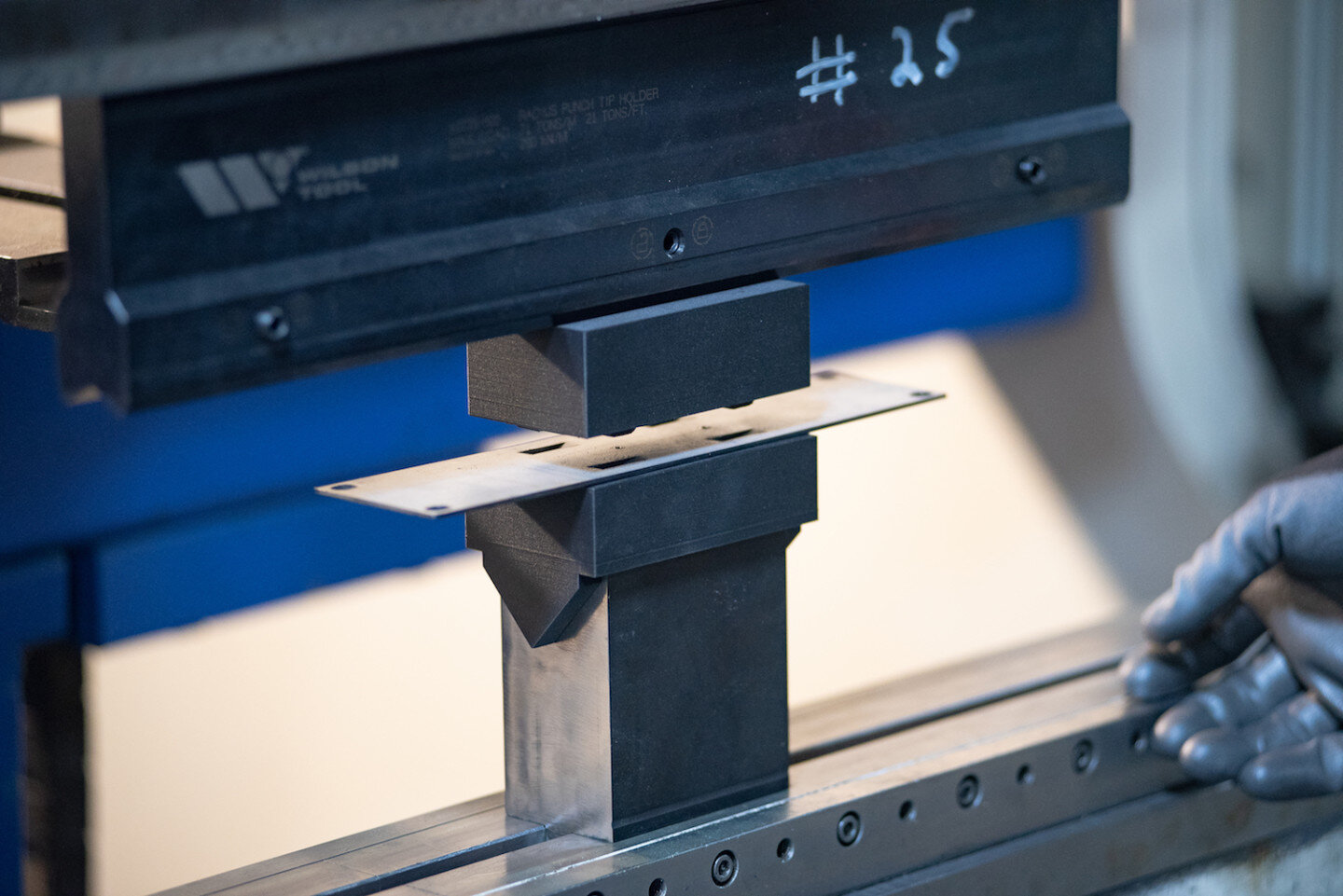
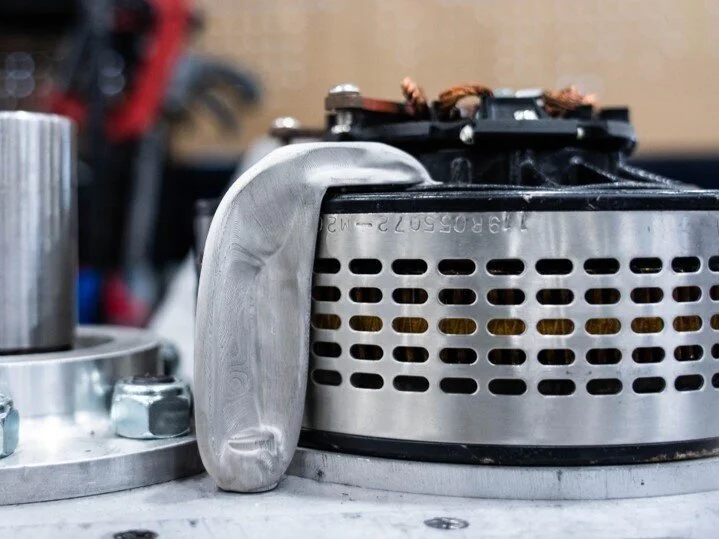
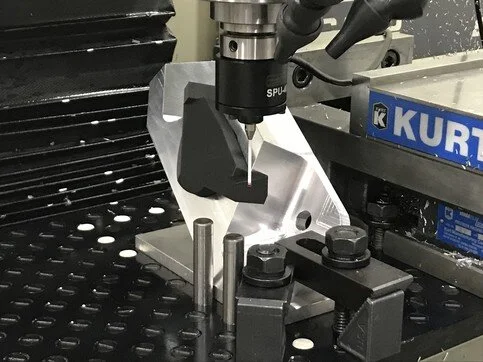
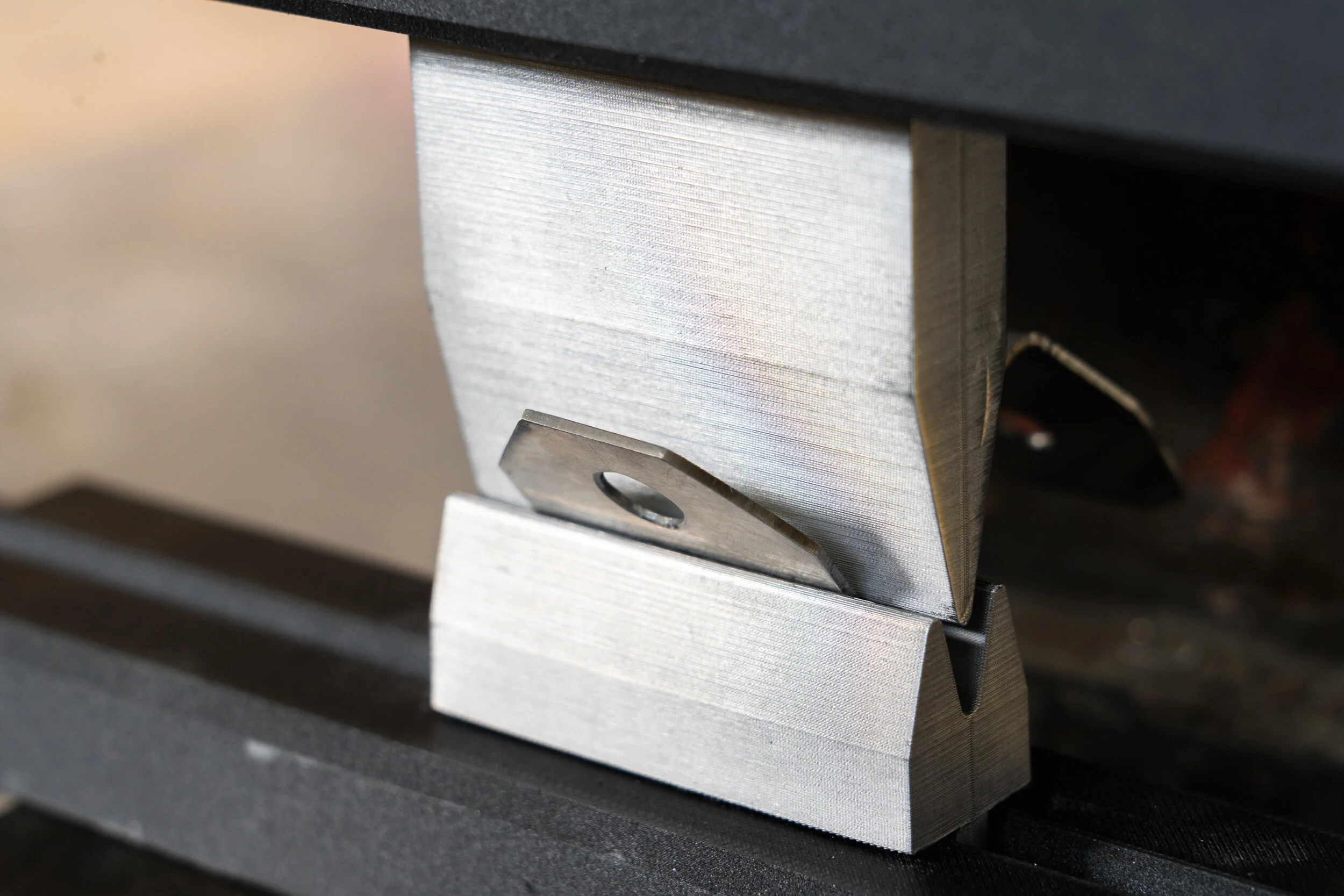
An overview of other applications I researched, validated, and shared while at Markforged:
Learning Resources
Additive Manufacturing Design Guides
I built and managed Design Guides for both our Composites and Metal product lines. They include need-to-know info on designing for Markforged 3D printing, post-processing techniques, and specific applications to boost product value.
Videos and Webinars
I regularly created multimedia content focused on helping customers maximize the value of their printers. See the video here or the ones above for examples.
Workshops
I ran digital and in-person workshops for customers and partners where I taught in small groups to share tailored insights about part design, applications, and new features.
Markforged Learning Library
I led the build-out of the Markforged Learning Library, which included 3D printing overview content as well as DfM tips, tricks, and guidance. We developed this free resource in tandem with Markforged University, a paid certification program for Markforged customers.